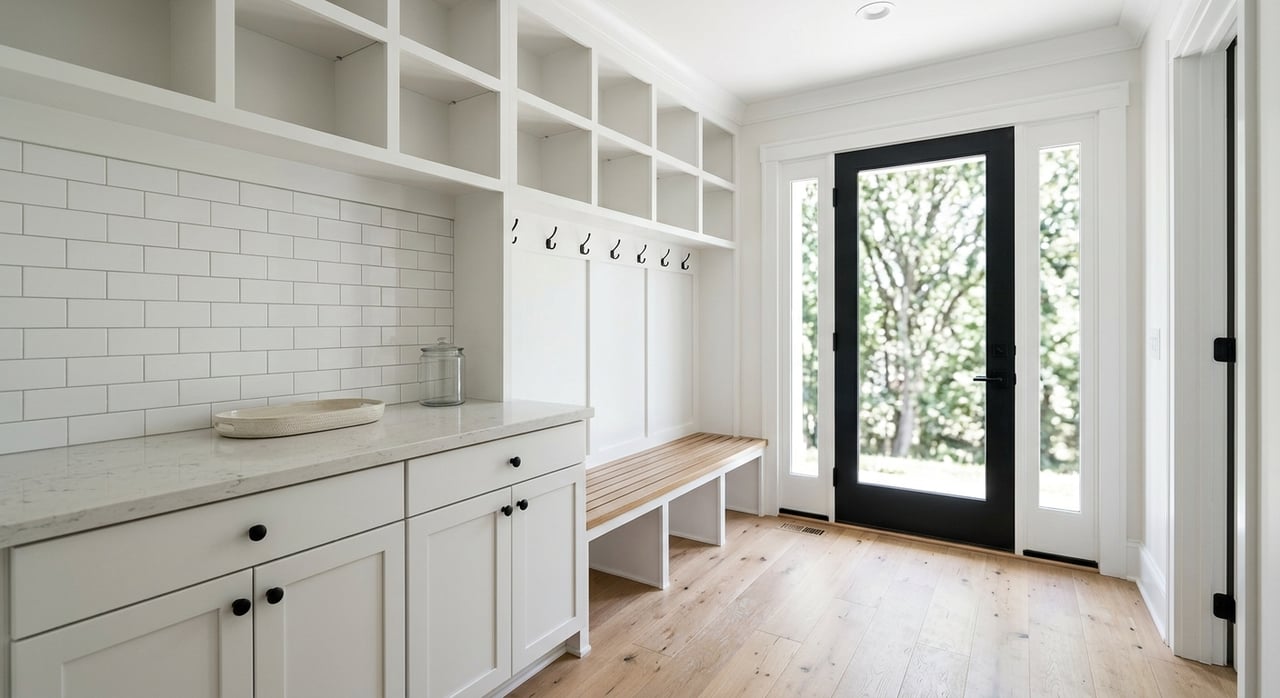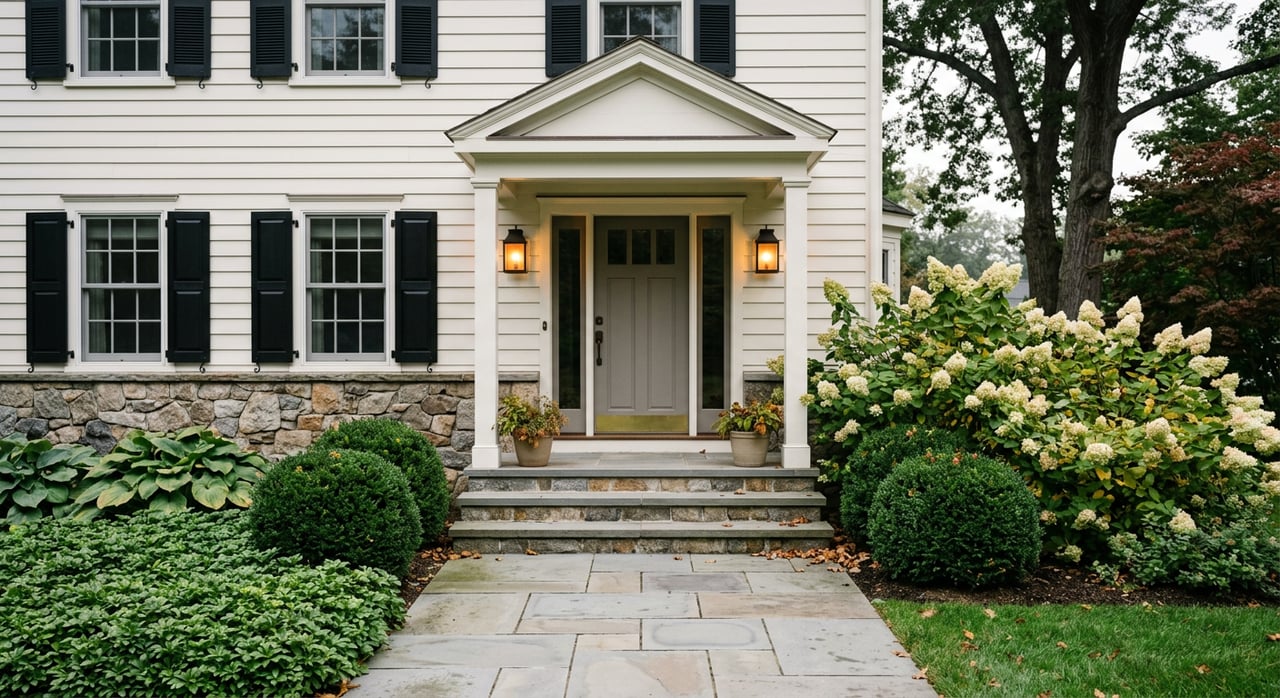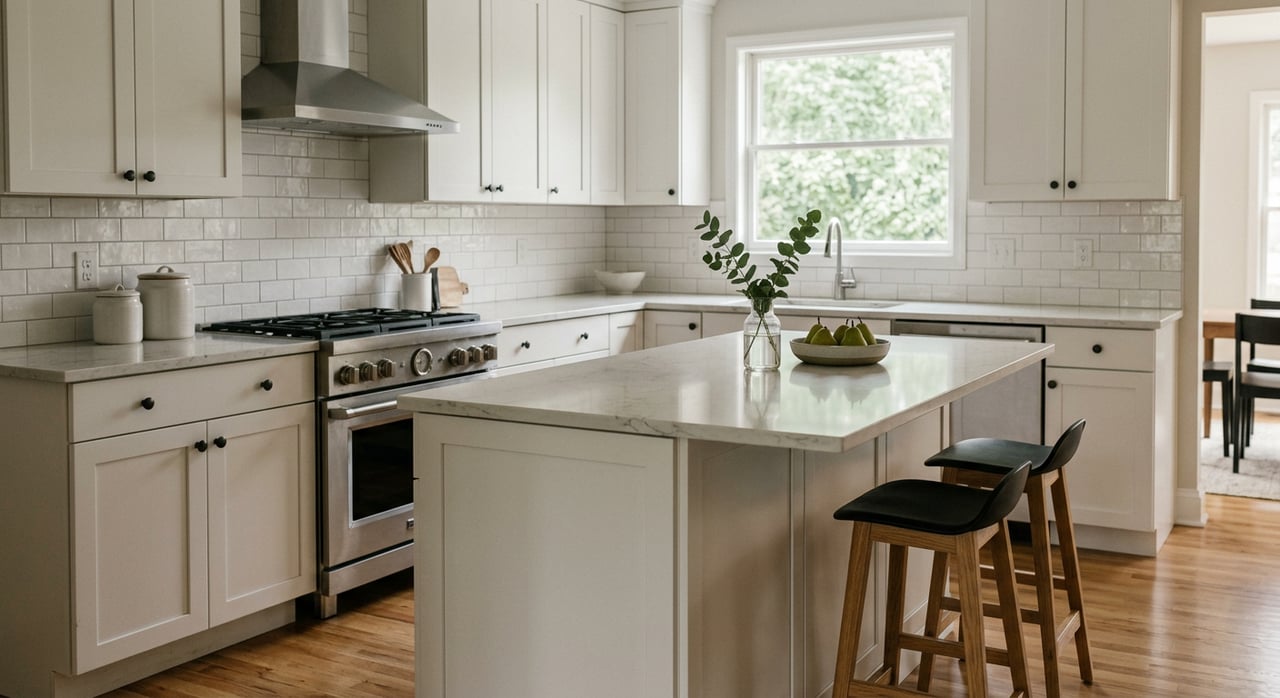
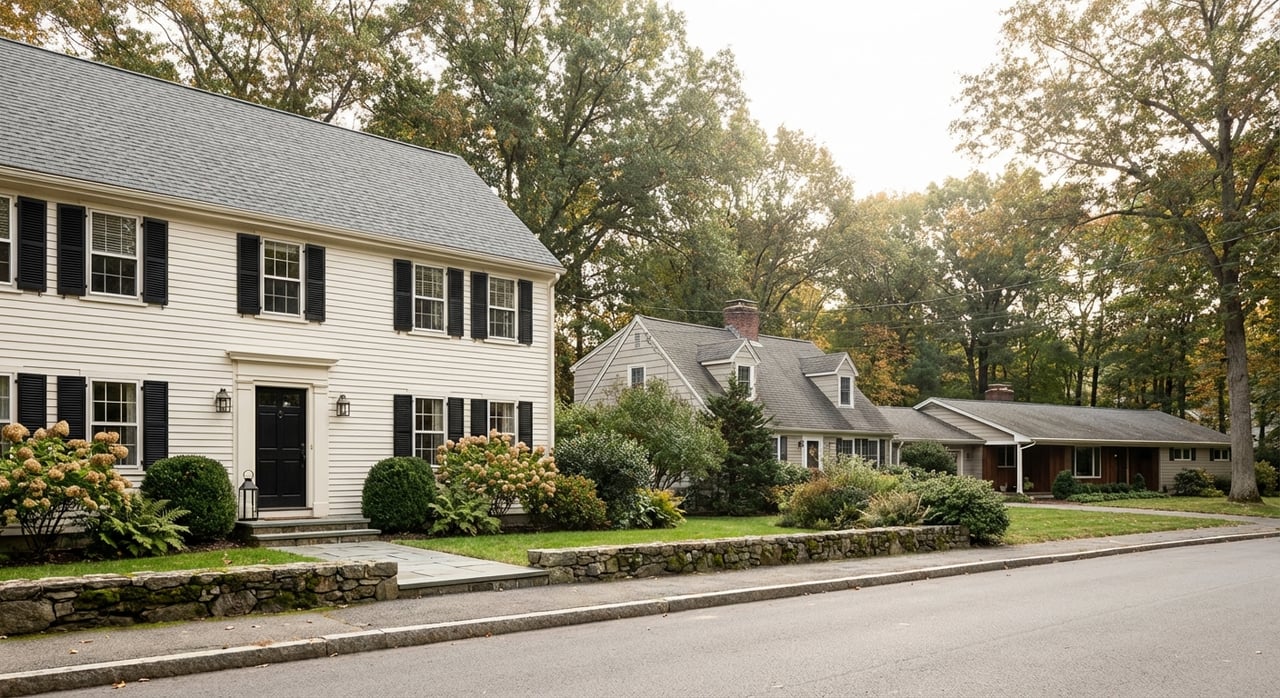
Tour five homes in Croton-on-Hudson and you will notice they live very differently. One might have a formal center hall with clear room separation, while another flows straight to a backyard patio. If you are comparing Colonials, Capes, ranches, or splits, it helps to picture your daily routine inside each layout. This guide breaks down common Croton home styles, how they live, what to watch for on listings, and where to check permits and flood maps. Let’s dive in.
Croton context: what shapes homes here
Croton-on-Hudson is a river village in Westchester with neighborhoods that range from a walkable core to waterfront enclaves and higher plateau streets. The setting along the Hudson and Croton Rivers, plus parks like Croton Point Park, creates a mix of older village homes near the center and mid-century or newer homes farther out. For a quick village overview, see the official Village of Croton-on-Hudson page.
Commuting is a big factor. Proximity to the Croton-Harmon station often means smaller lots, more walkability, and strong buyer demand. Farther from the station, you tend to see larger parcels and more mid-century stock.
Local rules also shape what you can change. Croton adopted an Accessory Dwelling Unit program known as Plus One. If you hope to add an in-law suite or a rental, start with the village’s ADU information and confirm owner-occupancy and size rules. Waterfront and watershed regulations may also affect additions and grading.
If a home sits near the river or in a low-lying area, review FEMA’s Flood Map Service Center before assuming backyard or expansion potential. Combine that with village planning guidance to understand any coastal or erosion constraints.
Colonial homes: classic two-story living
How it lives
Colonial and Colonial Revival homes are common near the older village streets. Most offer two full stories with a central or side-hall plan. You typically get formal living and dining on the main level and bedrooms upstairs, which separates public and private spaces well. Learn the hallmarks of this style in the Historic New England style guide.
Storage and expansion
Original closet space can be modest, but full attics and basements often add workable storage. Garages are sometimes later additions. Many buyers open a kitchen to a family room or consider a primary suite above a garage. Structural planning and permits are key, especially with older framing.
Outdoor setup
Lots range from compact, in-village yards to larger parcels on quieter streets. Porches are common and add useful three-season living.
What to check
Note closet sizes, basement moisture, and system ages. Older roofs, electrical, and plumbing are common inspection items on period homes.
Cape Cod homes: cozy and adaptable
How it lives
Capes are typically 1 to 1.5 stories with dormers and a compact footprint. Main living spaces sit on the first floor, with bedrooms tucked under the roof above. Sloped ceilings create a cozy feel but may limit furniture placement. See a quick style primer on Cape Cod homes.
Storage and expansion
Upstairs closets are often small. Basements and attics become important for storage. A rear shed dormer is a classic way to gain full-height space upstairs without losing the charm.
Outdoor setup
Many Capes sit on medium suburban lots with simple patios and lawns. They work well for play space and weekend projects.
What to check
Look for usable headroom upstairs, dormer condition, and basement moisture control. If you plan to expand, confirm setbacks, slopes, or watershed rules with the village.
Ranch and raised ranch: easy indoor-outdoor flow
How it lives
Ranches and raised ranches are common postwar choices, often with a horizontal plan that connects to the yard through sliders. A raised ranch places main living up a short flight with a lower level below. If you want one-level living or fewer daily stairs, a ranch can be a strong fit. See an overview of mid-century styles at Homes & Gardens.
Storage and expansion
Attached garages, basements, and lower levels offer significant storage. Many owners finish the lower level for a playroom or office. Some add a rear addition or, with greater planning, a second story. Zoning and conservation rules will guide what is realistic.
Outdoor setup
Ranches usually shine outside, with easy yard access and private patios that make entertaining simple.
What to check
Review lower-level waterproofing, ceiling heights, egress, and HVAC or water heater locations. Service history matters for mechanicals in lower levels.
Mid-century split-level: function by half floors
How it lives
Split-level homes spread living spaces across short flights of stairs. The mid level holds kitchen, dining, and living areas, with bedrooms above and a rec room or storage below. This gives good separation of quiet and social zones, but you will use stairs more often. For a style overview, see this postwar styles reference.
Storage and expansion
Lower levels often provide robust storage and a flexible bonus room. Attic storage is usually limited compared to two-story homes. Open-plan renovations can be trickier because the structure is organized by levels.
Outdoor setup
Many splits sit on modest to medium lots. Lower levels often walk out to a patio or level yard, which is handy for playrooms.
What to check
Focus on lower-level moisture management and egress. If you plan to open walls, expect more structural planning and mechanical rerouting than a simple ranch rework.
Victorian, Tudor, and period revivals: character and quirks
These homes cluster closer to the historic core and on select streets elsewhere. You may see generous porches, millwork, and built-ins. Room sizes and circulation vary by house, and storage can be creative. Expect more attention to exterior maintenance and period details. To explore local history and examples, visit the Croton Historical Society.
How to read Croton listings fast
Use these quick cues to picture daily life before you tour.
- Floor plan signals: “center-hall” or a symmetrical front often points to a Colonial plan with formal rooms. “1.5 story with dormers” suggests a Cape. “Single-level,” “open plan,” or “sliders to patio” often indicates a ranch. “Split level” or many short stairs in the foyer signals a mid-century split or raised ranch. See style hallmarks in the Historic New England guide.
- Storage clues: Look for mentions of a full or finished basement, attic access, or a garage. “Walk-up attic” or “scuttle” offers storage but likely limited headroom. “Finished lower level” adds usable space, but ask about waterproofing and egress. The NAR home inspection field guide lists common red flags to keep in mind.
- Outdoor and grade: If the property is near the Hudson or a low-lying flat, confirm flood mapping at FEMA’s Flood Map Service Center. On plateau or wooded lots, check for steep slopes that may affect parking, pools, or additions.
- Mechanical red flags: Very old boilers or oil tanks, knob-and-tube references, sagging roofs, or repeated “seepage” mentions deserve follow-up. Plan a full inspection and targeted specialist scopes where needed.
- Historic and exterior constraints: If a home sits in a sensitive area or near waterfront conservation, ask the village about exterior change review and permits. The village site and the Historical Society are good starting points.
Renovation, energy, and flexibility
Small comfort upgrades often change how a home lives more than cosmetic tweaks. The Department of Energy highlights that attic insulation, air sealing, and rim-joist sealing in older homes can improve comfort and bills. Start with the DOE insulation guidance to plan a smart budget.
Basements and lower levels often unlock value. Finished space adds storage and flexibility, but moisture control comes first. The NAR inspection guide outlines what inspectors look for and how to plan follow-up.
Common Croton projects by style:
- Cape: Add a rear shed dormer or extend the footprint to get full-height bedroom space. See examples in this Cape overview.
- Colonial: Open the kitchen to a family room or consider a primary suite above a garage. Review structure and permits carefully.
- Ranch: Finish the lower level or add a rear family room. A second story is possible with more planning. See the style context at Homes & Gardens.
- Split-level: Finish the lower level or reorganize circulation. Full open plans are more complex due to the level changes.
Interested in adding a separate unit for an in-law or to offset costs? Croton’s Plus One ADU program sets the rules for accessory apartments. Review the village’s ADU resources early to understand approvals, size limits, and owner-occupancy requirements.
Which layout fits your life
If you want fewer stairs, a ranch can be a great match. If you prefer defined rooms and bedrooms upstairs, a Colonial delivers that structure. Capes feel intimate and adaptable, especially with a dormer down the road. Splits offer separation of quiet and social zones, which can work well for varied schedules.
Think about storage in real terms. Do you need bulk storage for gear or hobbies. A full basement or attached garage can matter more than you think. Consider outdoor living too. If grilling and yard time are daily habits, look for easy kitchen-to-patio flow.
Finally, weigh location. Near Croton-Harmon you tend to trade lot size for walkability and transit. Farther out, you may gain more land and a quieter setting. Combine that with ADU or expansion goals and a quick FEMA map review to make a confident choice.
Ready to match a layout to your lifestyle. Reach out for a tailored search, local listing intel, and a step-by-step plan from first tour to closing. Let’s talk about your next move with Valerie Cascione.
FAQs
What is the main difference between a raised ranch and a split-level in Croton-on-Hudson
- A raised ranch has a split entry with main living up a short flight and a full lower level below, while a split-level staggers spaces across multiple half flights with a mid living level, bedrooms above, and a lower rec level.
How does proximity to Croton-Harmon station affect lot size and layouts
- Homes near the station often sit on more compact, walkable parcels due to higher density and commuter demand, while outer neighborhoods tend to feature larger lots and more mid-century homes.
Can I add an accessory apartment or in-law suite in Croton-on-Hudson
- Yes, in some cases. The village’s Plus One ADU program allows accessory units subject to size, approvals, and owner-occupancy rules, so review the ADU page and confirm with the village early.
How do I check if a Croton-on-Hudson home is in a flood zone
- Use FEMA’s Flood Map Service Center to search the address and discuss findings with your inspector and the village, especially for riverfront or low-lying properties.
What upgrades improve comfort most in older Croton homes
- Air sealing and insulation, especially in the attic and basement rim joists, often deliver the best comfort and efficiency gains, followed by targeted system updates after inspection.