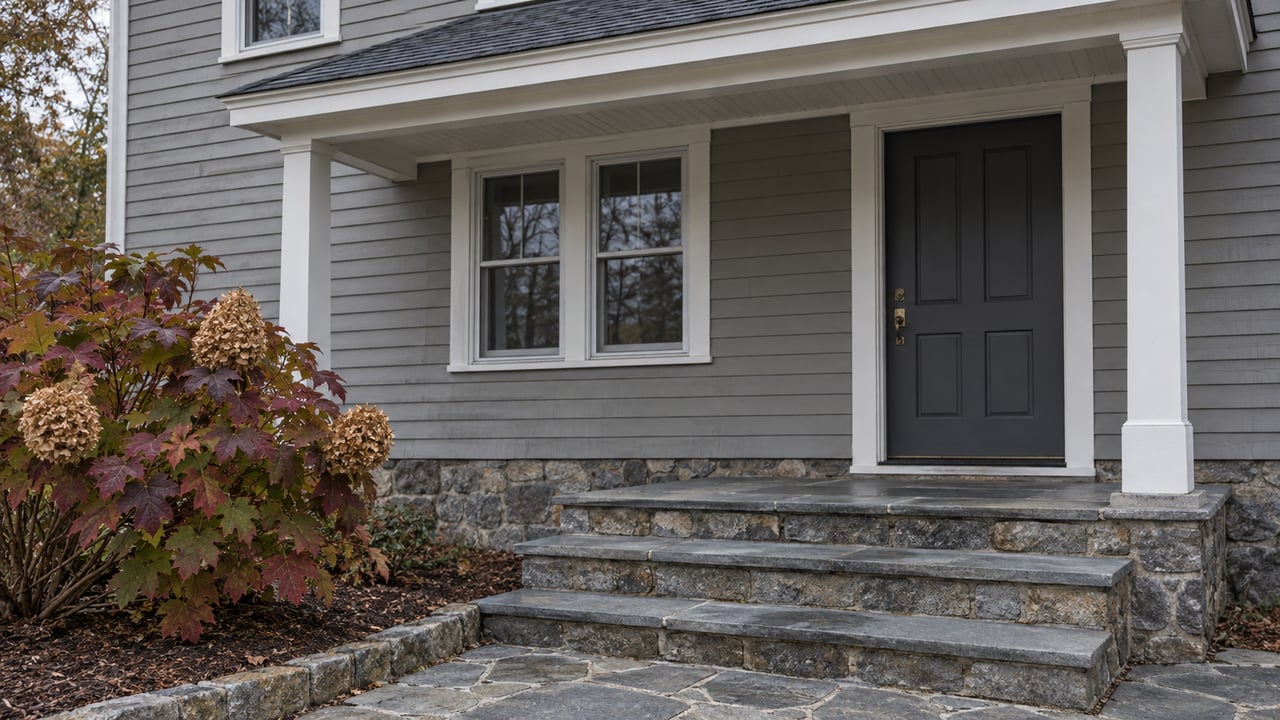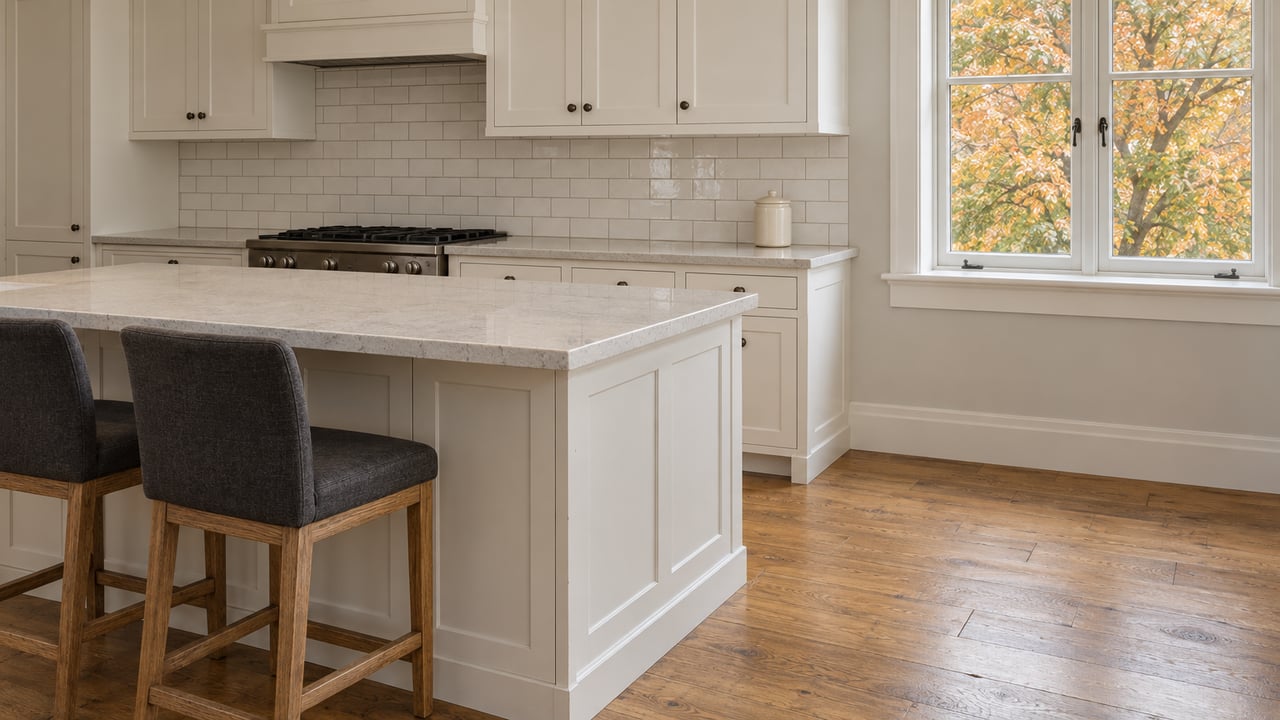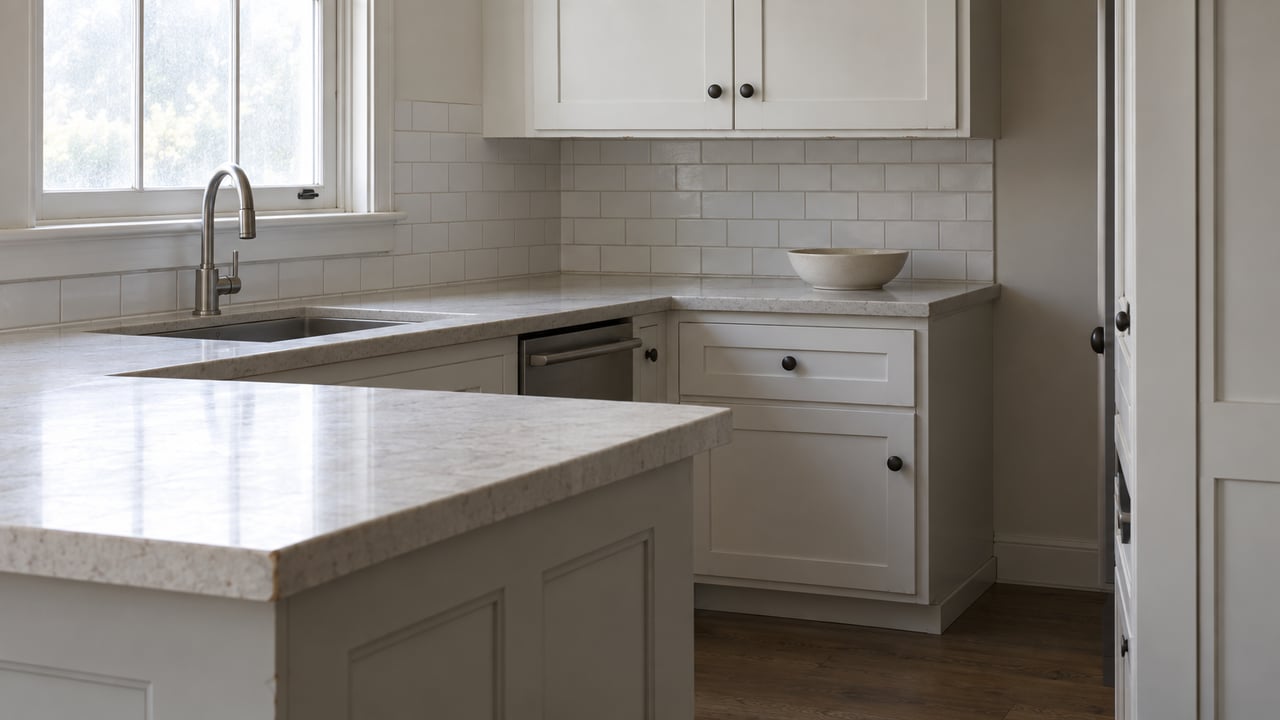
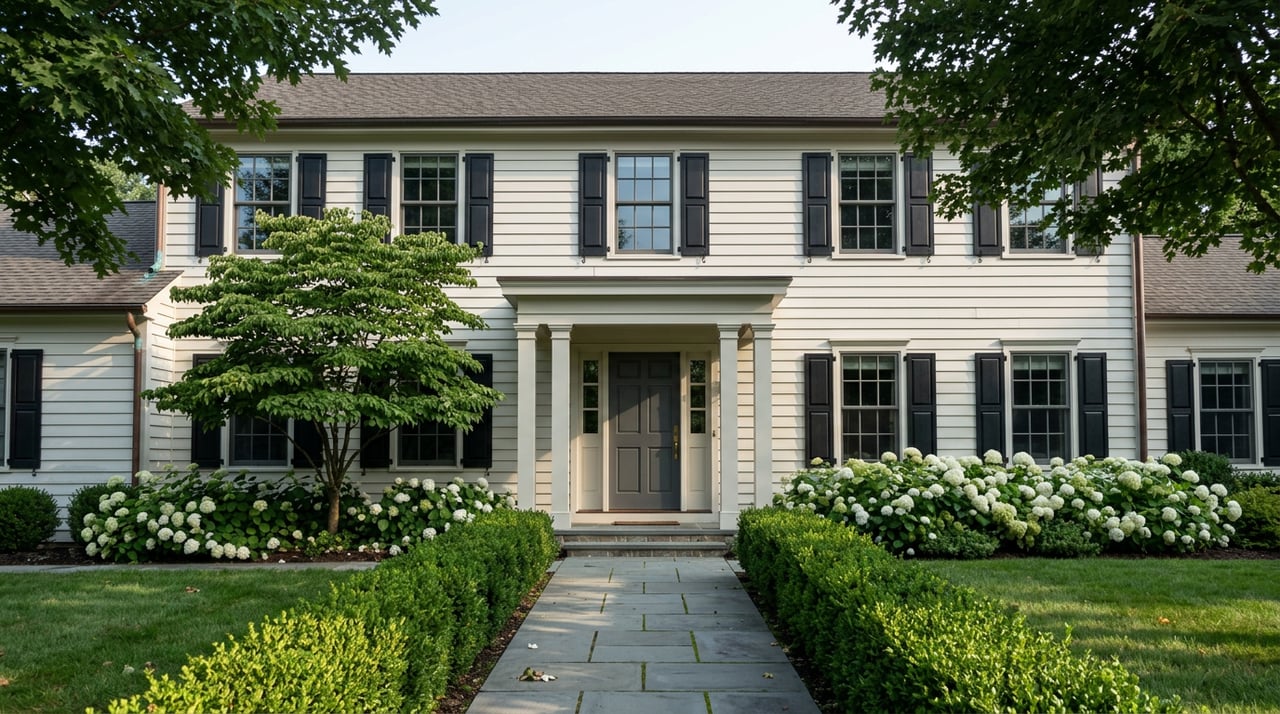
In late March 2026, a three-bedroom ranch on Willow Drive in Briarcliff Manor hit the market at $996,000. The home had a renovated kitchen, updated bathrooms, a finished lower level that could work as an office or in-law suite, and a private backyard with a deck and patio. Priced at $996,000 rather than $1,000,000 or $1,005,000, the listing did what sellers near that line have done for years: it kept the sale a few thousand dollars under New York's mansion tax threshold: the New York State Department of Taxation and Finance says residential sales of $1,000,000 or more incur a flat 1% tax on the buyer's side.
It's a smart, deliberate number. It's also, for most of the village, a strategy that no longer describes what a typical Briarcliff Manor sale looks like.
Village-wide sales data tracked through OneKey MLS shows the median price for a single-family home in Briarcliff Manor hit exactly $999,999 in 2023, one dollar short of triggering the tax. That was the last year the village's median sale sat on the safe side of the line. In 2024 the median jumped to $1,143,750. In 2025 it climbed to $1,395,000. Through the first seven months of 2026, the year-to-date median stands at $1,542,500, and July 2026 alone posted a single-month median of $1,917,500. The village didn't inch past the threshold. It cleared it by hundreds of thousands of dollars and kept climbing.
That gap between one very specific listing and the village's actual center of gravity is the story worth understanding before you write an offer or sign a listing agreement here.
Why One Dollar Costs $10,000
New York's mansion tax, formally the additional tax under the state's real estate transfer tax law, is a flat 1% charge on residential sales of $1,000,000 or more anywhere outside New York City, including all of Westchester County. The mechanic that catches people off guard isn't the rate. It's how the rate applies. The tax is charged against the entire purchase price once a sale crosses the line, not just the portion above $1,000,000. A home that sells for $999,999 owes nothing. The identical home selling for $1,000,000 owes $10,000. One dollar of price difference produces a five-figure tax difference, which is why sellers and their attorneys treat that threshold as a wall rather than a gentle slope.
For a village where a meaningful share of listings still sit in the high $800,000s to high $900,000s, pricing just under the line makes real financial sense for a buyer. That's exactly what the Willow Drive listing did.
Why the Median Sale Doesn't Get That Choice Anymore
The problem is that Willow Drive represents a shrinking slice of what actually sells in Briarcliff Manor. When the village's median was $999,999 in 2023 and its single-month median reached over $1.9 million in July 2026, it means the "typical" single-family transaction here isn't hovering near the threshold anymore. It's operating well inside mansion tax territory as a matter of course.
That distinction matters for how a buyer should plan a purchase in this market. If you're shopping colonials, capes, or center-hall properties in the neighborhoods that drive that median, treating the mansion tax as a maybe is the wrong frame. It's closer to a fixed line item, the way title insurance or an attorney's fee is fixed. The negotiation isn't whether you'll pay it. It's who ends up covering it and how it gets built into your cash-to-close number.
Where the under-$1,000,000 pricing strategy still holds up is at the entry tier: condos and smaller attached homes in the village, where units have traded well under six figures above the median low point, and in older ranch-style homes like Willow Drive that haven't been scaled up with additions or full renovations. Those transactions can still land on the safe side of the line. The move-up single-family market that has pushed Briarcliff's median past $1.5 million generally can't.
What Actually Shows Up on a Westchester Closing Statement
For a buyer purchasing above $1,000,000 in Briarcliff Manor, the mansion tax is one line among several. A realistic breakdown for a financed purchase in this part of Westchester looks like this:
- According to James G. Dibbini & Associates, P.C., New York State transfer tax is 0.4% of the sale price, paid by the seller
- Mansion tax: 1% of the sale price on transactions at $1,000,000 or above, paid by the buyer
- Mortgage recording tax: relevant if you're financing
- Title insurance: roughly 0.4% to 0.5% of the purchase price
- Attorney fees: typically $2,000 to $4,000 per side
The detail that trips up buyers most often is that lenders generally won't roll the mansion tax into the mortgage. It's usually a cash requirement at the closing table, on top of your down payment and prepaid escrow items. On a $1,600,000 purchase, close to where Briarcliff's 2026 median sits, that's $16,000 in cash beyond what a mortgage calculator will show you.
The Negotiation That Happens Near the Line
For the shrinking number of Briarcliff Manor sales that do land close to $1,000,000, buyers and sellers still have room to work the threshold rather than just absorb it.
- If a home is listed a few thousand dollars above $1,000,000 and the seller has flexibility, ask for a price reduction to just under the line. A $1,010,000 listing dropped to $999,000 doesn't just save $11,000 in price. It also erases the mansion tax, so the buyer's real gain is larger than the sticker discount alone.
- Ask the seller for a credit specifically earmarked toward the mansion tax rather than a general price cut. In a market with any give, sellers sometimes prefer this because it doesn't reset the recorded sale price for comparable purposes.
- If genuine personal property, such as furniture or a freestanding appliance package, is part of the deal, it has to be handled correctly through your attorney. It isn't a workaround for padding numbers, and getting it wrong creates its own problems.
None of these tactics change the math for a home priced well above the line, which is where most Briarcliff Manor single-family sales now sit. At that point the conversation shifts from avoiding the tax to budgeting for it accurately from the first offer.
FAQ
Does the mansion tax apply to condos and co-ops in Briarcliff Manor, not just single-family homes? Yes. The tax applies to any residential conveyance at $1,000,000 or more, which includes condominium units and cooperative shares along with single-family houses. Most of the village's condo inventory still trades well under that threshold, which is part of why the tax feels less relevant at the entry level here than it does for detached homes.
Can the mansion tax be financed as part of the mortgage? Generally no. Lenders typically require it to be paid in cash at closing rather than rolled into the loan amount, so it needs to be part of your upfront cash-to-close calculation rather than your monthly payment planning.
Who pays if the buyer can't or doesn't? The buyer is responsible by default under state law. If the buyer doesn't pay and isn't exempt, the obligation shifts to the seller, and in that situation both parties can become jointly liable. In practice this rarely comes up outside unusual transaction structures, but it's a reason to have your attorney confirm the payment mechanics before closing rather than assuming it's automatic.
If you're weighing a purchase or a sale in Briarcliff Manor and want the real numbers behind what a specific address will cost to close, not a generic estimate, Valerie Cascione can walk through it with you line by line. Let's talk about your next move.
This article is general information, not legal, tax or financial advice. Consult a qualified professional about your situation.